

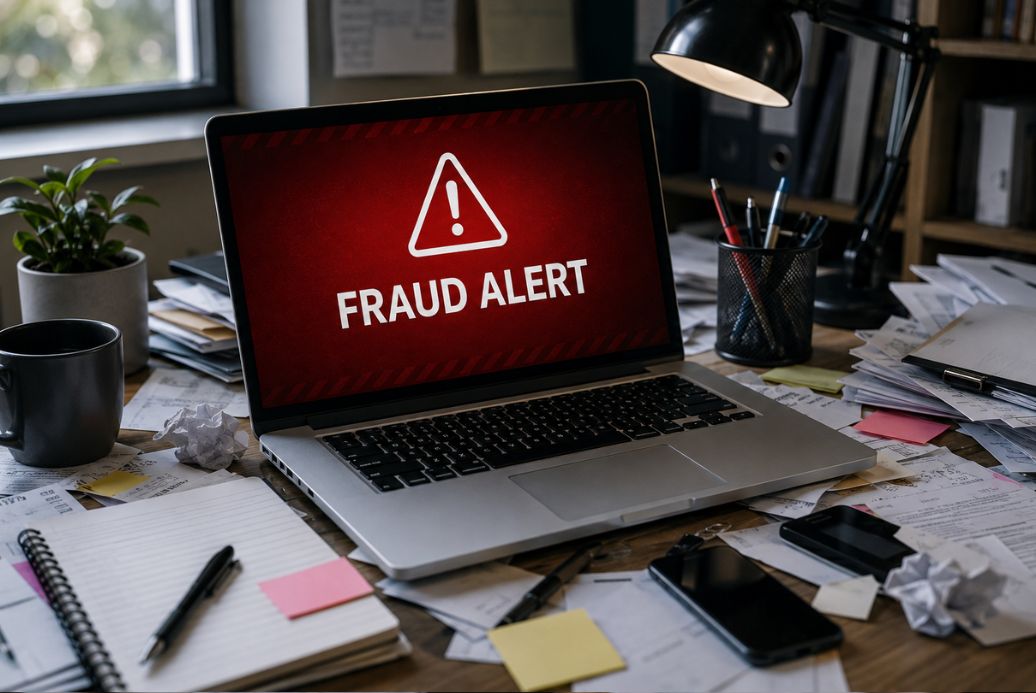
As part of our ongoing commitment to our customers’ security, we want to make you aware of several new fraud and scam tactics circulating nationwide. Criminals are increasingly using advanced technology, including artificial intelligence (AI), to impersonate trusted individuals, steal personal information, and gain access to financial accounts.
Please review the information below and share it with family members who may be more vulnerable.
1. Artificial Intelligence (AI) Generated Voice Scams (“Deepfake Voice Calls”)
Fraudsters can now use AI to clone a person’s voice using only a few seconds of audio, often
taken from social media or voicemail greetings.
They may call pretending to be:
- A family member in distress.
- A bank representative.
- A government agency.
Red flags:
- Urgent requests for money.
- Requests to “verify” account numbers.
- Calls from unknown or spoofed numbers.
What to do: Hang up and call the person or organization back using a verified phone number.
2. AI-Enhanced Phishing & Smishing
Scammers are using AI to create highly convincing emails and text messages that look
legitimate.
Common themes:
- “Your account is locked, click here”.
- “Unusual activity detected”.
- Fake package delivery notices.
- Fake bank alerts.
What to do: Never click links in unexpected messages. Access your account by typing our
website address directly into your browser.
3. Fake Bank Representatives Using AI Scripts
Fraudsters may use AI to sound professional and knowledgeable, mimicking real bank
procedures.
They may ask for:
- Online banking credentials.
- One-time passcodes/pin.
- Debit card numbers.
- Remote access to your device.
Important: First County Bank will never ask for your online banking password or a one-time
passcode/pin.
4. Social Media Impersonation Scams
Criminals create fake profiles pretending to be:
- Bank employees.
- Customer service.
- Loan officers.
They may offer “special programs,” “grants,” or “investment opportunities.”
What to do: Only communicate with us through our phone numbers.
How You Can Protect Yourself
- Use strong, unique passwords.
- Enable multifactor authentication.
- Never share your credentials (ID/Password) or one-time passcodes or pin.
- Verify unexpected requests by calling us directly.
- Monitor your accounts regularly.
- Report suspicious activity immediately.
If you believe you may have been targeted by a scam, please contact us right away. Visit the locations page on our website to find a branch near you or call our Contact Center: 203-462-4400 ( available Weekdays: 8:30 am – 4:30 pm).
Your security is our priority.
